

close
Choose Your Site
Global
Social Media
Views: 0 Author: Site Editor Publish Time: 2026-10-18 Origin: Site


Advanced wound care strictly demands materials that actively participate in the healing cascade. Standard dressings frequently fail when confronted with complex, heavily exudating wounds. They simply lack the bioactive properties necessary to combat infections and promote tissue regeneration. In this comprehensive guide, R&D engineers and procurement managers will discover how to leverage high-purity biopolymers. We will explore the nuanced process of selecting the right matrix for next-generation medical devices, moving decisively from passive absorption to active wound management.
The Pharmaceutical Excipient Chitosan Series provides strictly controlled, ultra-pure biopolymers essential for manufacturing advanced biocompatible and hemostatic wound dressings.
Selecting the appropriate chemical modification is dictated by specific clinical requirements for solubility, fluid absorption, and active pharmaceutical ingredient release kinetics.
Precise evaluation of chemical characterizations, specifically the Degree of Deacetylation and Molecular Weight, is mandatory for predicting the degradation rate and mechanical integrity of the final medical device.
Current laboratory validations and patent landscapes highlight a definitive industry shift toward composite hydrogels and nanofibrous mats for chronic wound management.
When developing next-generation wound care systems, engineering teams must select materials that go far beyond merely soaking up fluids. Chitosan is a linear polysaccharide derived from the partial deacetylation of naturally occurring chitin. It has rapidly emerged as a premier structural candidate in biomedical engineering.
The fundamental advantage of this biopolymer lies in its unique cationic nature. It is one of the few naturally occurring positively charged biopolymers available at an industrial scale. This specific charge distribution is primarily responsible for its high biocompatibility. Extensive toxicological evaluations demonstrate that pharmaceutical-grade variants are non-toxic, non-immunogenic, and highly tolerable when applied to compromised epidermal layers. As the matrix degrades in the physiological environment, it breaks down into harmless amino sugars. The human body can easily metabolize or excrete these byproducts, strictly meeting ISO 10993 biological evaluation standards for medical devices.
In clinical practice, this material actively participates in the wound healing cascade. Upon contact with blood, the positively charged amino groups on the polymer chain interact strongly with negatively charged red blood cells and platelets. This electrostatic interaction rapidly induces erythrocyte agglutination. Consequently, it accelerates the hemostatic process independently of the classic coagulation cascade. Furthermore, specific fragmented chains stimulate the activation of macrophages and fibroblasts. This biological signaling promotes the formation of granulation tissue, accelerating the critical transition from the inflammatory phase to the proliferative phase of wound healing.
Effective exudate management is critical to preventing wound maceration, which remains a common failure point in traditional bandages. When processed into sponges or non-woven structures, the material exhibits remarkable fluid uptake capabilities. Upon absorbing wound exudate, specific formulations undergo a rapid phase transition to form a breathable, soothing gel. This gel layer maintains an optimal moist wound environment while simultaneously acting as a physical and chemical antimicrobial barrier. Specifically, the polycationic structure binds to the anionic components of bacterial cell walls. This action disrupts cellular membrane permeability, ultimately leading to bacterial cell death without requiring secondary antibiotics.
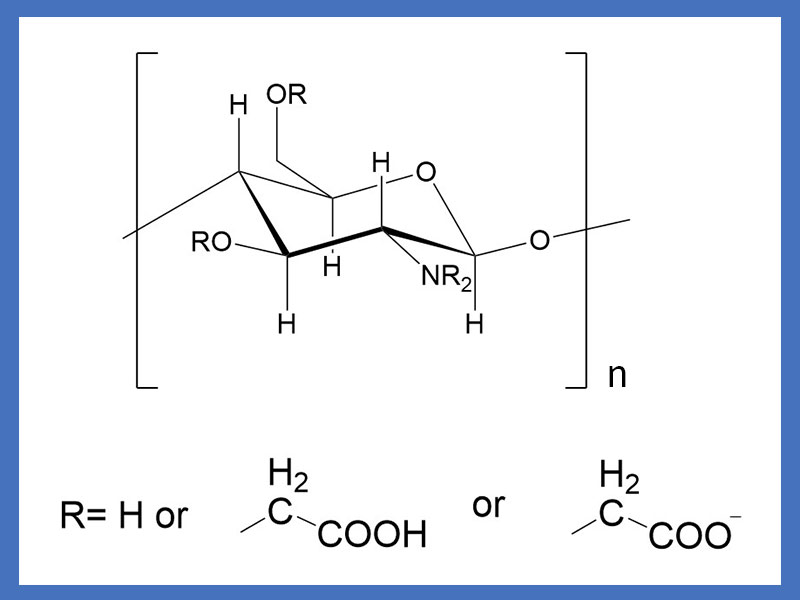
To translate theoretical biological benefits into viable mass-produced medical devices, manufacturers must utilize highly refined raw materials. The Pharmaceutical Excipient Chitosan Series represents a specific medical-grade category of these biopolymers. They are meticulously engineered to meet the stringent regulatory requirements of global pharmacopeias.
Industrial or food-grade alternatives frequently contain residual proteins, heavy metals, or high bioburdens. In contrast, the pharmaceutical series undergoes rigorous multi-stage purification processes. This advanced processing ensures ultra-low endotoxin levels, minimal ash content, and strict control over residual solvents. For medical device manufacturers, utilizing this specific grade is not merely an option. It is a strict regulatory prerequisite for achieving FDA clearance or CE marking for Class II and Class III wound care products.
Batch-to-batch consistency remains one of the most significant challenges in natural biopolymer manufacturing. Premium pharmaceutical excipient series offer tightly controlled parameters regarding the Degree of Deacetylation and Molecular Weight distribution. This predictability allows formulators to establish standardized operating procedures. Engineers can maintain production yields without needing to constantly adjust cross-linking agents or solvent ratios to accommodate raw material fluctuations.
While the pure base polymer possesses excellent biological properties, its application is often limited by its insolubility in neutral and alkaline environments. Native structures typically require an acidic medium with a pH below 6.0 to dissolve, which can be detrimental to sensitive wound beds. To overcome this limitation and tailor the material for specific dressing formats, chemical modifications are utilized to create advanced pharmaceutical chitosan derivatives.
| Derivative Type | Core Property | Key Engineering Specs | Ideal Clinical Application |
|---|---|---|---|
| Hydroxypropyl | Film-forming, high transparency | Broad pH solubility, high flexibility | Liquid spray bandages, transparent films |
| Carboxymethyl | Extreme hydrophilicity, rapid swelling | High moisture retention, neutral pH soluble | High-absorbency hydrogels, trauma sponges |
| Succinyl | Sustained release, high drug-loading | Carboxyl functionalized, predictable degradation | Medicated dressings, smart wound care |
Synthesized through the etherification of the base polymer with propylene oxide, this modification significantly disrupts the strong intermolecular hydrogen bonds of the native structure. The result is excellent water solubility across a broad pH range.
Consequently, hydroxypropyl chitosan is characterized by its enhanced chemical stability, high transparency, and exceptional film-forming capabilities. It maintains inherent biocompatibility while offering superior flexibility. R&D teams frequently select this variant for developing transparent film dressings and liquid spray-on bandages. Its ability to form a breathable, flexible barrier makes it ideal for protecting minor abrasions and surgical incisions. Clinicians can observe the wound site directly without requiring painful dressing removal.
By introducing carboxymethyl groups into the polymer backbone, manufacturers create an amphoteric derivative with extraordinary hydrophilic properties.
Specifically, carboxymethyl chitosan exhibits exceptional moisture retention and rapid swelling capabilities. It is highly soluble in neutral water and biological fluids. Studies indicate that this derivative often displays enhanced antibacterial activity compared to its unmodified counterpart due to an optimized charge distribution. This is the absolute material of choice for managing heavily exudating wounds. It is extensively deployed in formulating high-absorbency hydrogel dressings, rapid hemostatic sponges for trauma, and specialized dressings for diabetic foot ulcers. In these scenarios, locking away excess fluid while maintaining a moist gel interface is critical to patient recovery.
Produced through acylation with succinic anhydride, this process introduces carboxyl groups. This transforms the polymer into a highly versatile matrix for advanced biomedical applications.
This derivative is highly valued for its predictable long-term degradation profile and excellent drug-loading capacity. The functional sites allow for the ionic binding or encapsulation of various active pharmaceutical ingredients. Therefore, succinyl chitosan is the optimal selection for medicated absorbent dressings and smart wound care systems. It is engineered for the sustained, controlled release of growth factors, antibiotics, or anti-inflammatory agents directly into the chronic wound bed over extended periods. This drastically reduces the frequency of painful dressing changes.
Selecting the correct derivative is only the first step. During the initial procurement and formulation phase, materials scientists must evaluate specific physiochemical metrics. This ensures the chosen polymer aligns perfectly with the intended product performance on the manufacturing floor.
The Degree of Deacetylation represents the percentage of acetyl groups removed from the original chitin molecule, thereby exposing primary amino groups. For medical applications, a level of 85 percent or higher is typically mandatory. This metric directly influences the charge density of the polymer. A higher percentage generally correlates with stronger antimicrobial efficacy, as there are more positive charges available to bind with bacteria. It also dictates a slower degradation rate in vivo, as the material becomes more crystalline and resistant to enzymatic breakdown.
Molecular weight dictates the polymer chain length and fundamentally governs the mechanical and rheological properties of the dressing. Formulators must carefully balance structural strength against processability. High molecular weight variants offer superior tensile strength and structural integrity, making them suitable for durable sponges and fibers. However, they result in highly viscous solutions that can easily clog manufacturing equipment. Conversely, low molecular weight variants exhibit faster biological absorption, higher solubility, and often greater biological signaling activity. This makes them highly preferable for hydrogels and spray formulations.
For absorbent dressing systems, evaluating the material fluid handling capacity is non-negotiable. The swelling ratio dictates how much exudate a lyophilized sponge or hydrogel can absorb relative to its dry weight. Porosity, meaning the size and distribution of pores within a sponge matrix, impacts rapid vertical fluid uptake. More importantly, it controls cellular infiltration and oxygen permeability, which are vital for healthy tissue granulation.
Recent industry data and procurement search patterns indicate a definitive shift in the advanced wound care sector. Passive exudate absorbers, such as standard cotton gauze and basic foams, are rapidly losing market share to active, microenvironment-modulating matrices. Clinical demands are driving massive R&D investments toward composite hydrogels and electrospun nanofibrous mats. These next-generation systems combine natural biopolymers with synthetic structural components to manage highly viscous exudate while actively preventing biofilm formation in chronic diabetic ulcers. For engineering teams, this means the selection of highly reactive, ultra-pure biological raw materials is no longer optional. It is a critical baseline for maintaining product competitiveness in a high-margin market.
Transitioning from raw material selection to a finished medical device requires precise manufacturing protocols. The physical state of the final absorbent dressing depends entirely on the fabrication strategy applied to the polymer. R&D teams must carefully manipulate physical and chemical properties to achieve targeted clinical outcomes.
To prevent hydrogels or sponges from dissolving too rapidly upon contact with heavy exudate, manufacturers employ cross-linking techniques. Physical cross-linking uses ionic interactions to offer high safety profiles but lower mechanical stability. In contrast, chemical cross-linking utilizes specific agents to form permanent covalent bonds, creating a robust and stable network. While glutaraldehyde has been used historically, modern R&D heavily favors naturally derived, low-toxicity cross-linkers like genipin. This ensures the strict biocompatibility of the final dressing is maintained.
Freeze-Drying: Also known as lyophilization, this is the gold standard method for creating highly absorbent porous sponges. By freezing a polymer solution and sublimating the ice under a vacuum, manufacturers create a highly interconnected three-dimensional scaffold. This structure is capable of rapid hemostasis and massive fluid uptake. Engineers can strictly control the pore size by adjusting the freezing rate.
Electrospinning: This advanced technique uses an electrical field to draw solutions into continuous micro-to-nanometer scale fibers. Electrospun mats closely mimic the structural morphology of the human extracellular matrix. They provide an ideal scaffold for cellular attachment and migration, particularly in severe burn treatments.
Solvent Casting: Primarily used in conjunction with highly soluble derivatives, this method involves pouring a polymer solution onto a flat mold and allowing the solvent to evaporate. This simple yet effective process results in thin, transparent, and flexible film dressings suitable for superficial wounds.
A primary hurdle in manufacturing is terminal sterilization. Standard gamma irradiation can inadvertently cause polymer chain scission. This significantly reduces the molecular weight and compromises the mechanical strength of the dressing. Ethylene oxide gas sterilization is often preferred by process engineers. However, rigorous degassing protocols must be implemented to ensure residual toxic gases do not compromise the bioactivity of the matrix.
The commercial viability of these advanced absorbent systems is heavily supported by robust empirical data from both clinical and laboratory settings.
Laboratory validations consistently demonstrate that advanced biopolymer dressings outperform traditional cotton gauze and basic alginate dressings in fluid retention and structural integrity under compression. In-vivo porcine models, frequently utilized due to their anatomical similarity to human skin, reveal striking results. These sponges accelerate the hemostatic cascade by up to 40 percent compared to standard controls, rapidly sealing bleeding vessels in traumatic injury simulations.
Clinical laboratory data underscores the material role in reducing hospital-acquired infections. Minimum Inhibitory Concentration assays verify that high-deacetylation formulations exhibit broad-spectrum bacteriostatic effects against common wound pathogens. Unlike traditional silver-based dressings, which can exhibit dose-dependent cytotoxicity to healthy human fibroblasts, this matrix achieves microbial disruption mechanically and electrostatically. It preserves the viability of healthy tissue surrounding the wound.
Beyond simply closing the wound, modern clinical efficacy is measured by the quality of the healed tissue. Histological evaluations of tissues treated with pharmaceutical-grade matrices reveal significant improvements in cosmetic outcomes. The material promotes highly organized collagen deposition rather than the chaotic collagen bundling associated with hypertrophic scarring. By modulating the inflammatory response, these dressings assist in reconstructing a dermis architecture that closely resembles uninjured skin.
The global advanced wound care market is undergoing a structural shift, heavily influenced by an aging population and the rising prevalence of chronic conditions such as diabetes. This epidemiological trend has catalyzed massive commercial interest in bioactive materials.
The patent landscape reflects this rapid evolution, showing a surge in intellectual property filings related to smart dressings. Innovations are moving beyond simple absorption into drug-eluting systems designed to deliver precise localized therapies. Manufacturers are increasingly combining modified derivatives with other advanced elements. Examples include incorporating pH-sensitive indicator dyes to visually alert clinicians to bacterial colonization, or integrating synergistic nanoparticles for hyper-effective antimicrobial barriers.
As medical device manufacturers scale production to meet global demand, supply chain integrity becomes a critical risk factor. The biological origin of the base material means that raw characteristics can fluctuate based on seasonal factors. Establishing a long-term partnership with a specialized manufacturer of pharmaceutical-grade excipients is absolutely vital. Reliable suppliers provide rigorous Certificate of Analysis documentation, ensure complete traceability, and guarantee the tight molecular weight tolerances required to maintain continuous regulatory compliance.
Choosing the right biopolymer is the most critical step in formulating a successful medical device. The Pharmaceutical Excipient Chitosan Series ensures the quality, safety, and consistency required for modern healthcare applications. By carefully matching the specific chemical derivative to your clinical needs, R&D teams can create vastly superior products. Whether your project prioritizes rapid exudate absorption, flexible film formation, or sustained drug delivery, success starts with raw material purity. We encourage procurement managers and engineers to carefully assess their structural requirements. Visit New Source Chem today to select the exact pharmaceutical-grade materials needed to build the next generation of advanced wound care solutions.
Standard food-grade or industrial-grade materials are not subjected to the rigorous purification protocols required for medical applications. The pharmaceutical-grade series undergoes advanced filtration and purification processes to ensure ultra-low endotoxin levels, exact molecular weights, and precise degrees of deacetylation. Furthermore, they are manufactured under strict Good Manufacturing Practice conditions. This ensures they meet the stringent regulatory compliance standards required by global health authorities for materials contacting open wounds and internal tissues.
For wounds producing heavy amounts of exudate, such as severe burns, venous leg ulcers, or large surgical sites, highly hydrophilic materials are required. Carboxymethyl modifications possess exceptional moisture retention capabilities and are the absolute best choice. These materials can absorb many times their own weight in fluid, swelling to form a cohesive gel that traps excess exudate away from healthy skin. This prevents maceration while maintaining a healing moist environment.
Yes, certain derivatives are highly valued by R&D teams specifically for their sustained-release capabilities. Succinyl modifications offer a highly controllable degradation profile and excellent drug-loading capacity. Manufacturers can encapsulate active pharmaceutical ingredients, which are then slowly released into the wound bed as the dressing degrades. This provides targeted, localized therapy over several days without requiring frequent dressing changes.
Derivatives engineered for superior water solubility, such as hydroxypropyl variations, offer excellent film-forming properties. When applied, they create a highly flexible, transparent, and breathable barrier over the wound. This physical barrier protects vulnerable tissue from outside bacterial contaminants and physical friction while allowing adequate oxygen permeability. This makes them ideal for superficial wounds, donor sites, and post-operative incisions.
Sterilization is a critical step that can drastically alter polymer properties if not carefully managed. Standard gamma irradiation often causes polymer chain scission, which lowers the molecular weight and weakens the mechanical strength of the dressing. Consequently, many engineers prefer ethylene oxide gas sterilization for these biopolymers. However, strict degassing protocols must be followed to remove any toxic gas residuals and preserve the biological activity of the final product.
When stored correctly, pharmaceutical-grade chitosan powder typically boasts a shelf life of 24 to 36 months. To maintain its chemical stability and prevent degradation, the material must be stored in a cool, dry place away from direct sunlight and extreme humidity. Once formulated into a hydrogel or liquid dressing, the shelf life depends heavily on the specific formulation and packaging, requiring separate stability testing by the manufacturer.


